
Spanish Schengen Visa Requirements for Filipino Citizens (2026 Guide)
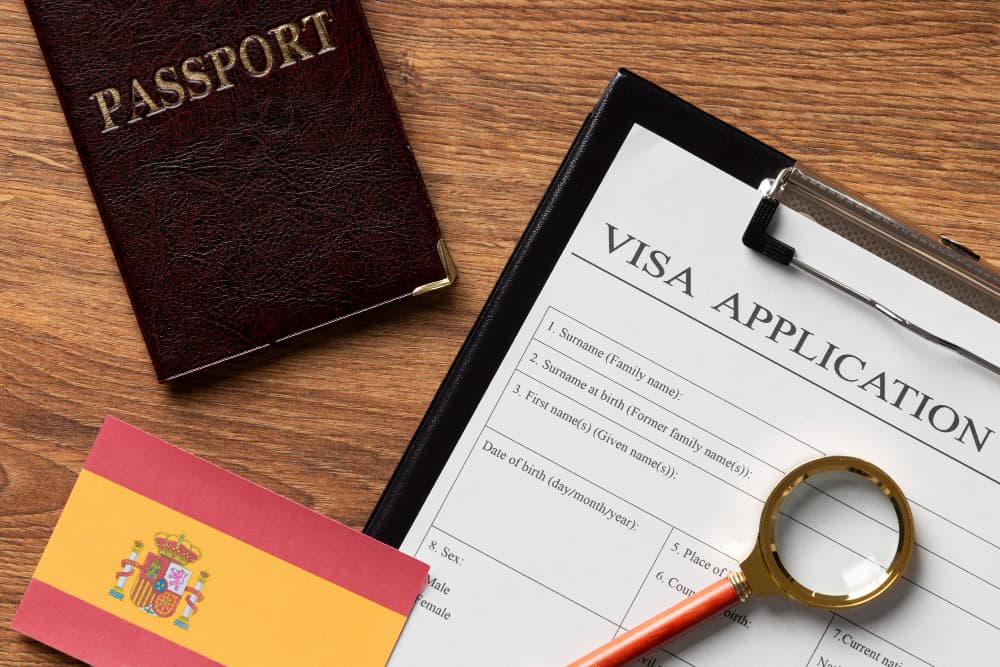
Planning a trip to Spain from the Philippines can be exciting—but the visa process often feels confusing, especially when information online is scattered or outdated. Many Filipino travelers ask the same questions: Do Filipinos need a visa for Spain? How much money do I need? Where do I apply? Why do some applications get refused?
This 2026 guide answers those questions clearly and honestly. I wrote it from the perspective of an experienced traveler who has guided Filipino applicants through the process, it breaks down the Spanish Schengen visa requirements for Filipinos using real questions asked when I meet prospective Spanish travelers, search engines and travel forums. If you’re applying for a Spanish Schengen visa from the Philippines, this guide will help you understand what Spanish visa officers actually look for—and how to apply with confidence.
Before we proceed, check out our full guide on:
- Spain Schengen Visa Requirements (2026 Guide) – How to Apply Successfully
- Spanish Schengen Visa Requirements for Indian Citizens (2026 Guide)
Do Filipino citizens need a visa to travel to Spain?
Yes. Filipino passport holders must apply for a Spanish Schengen visa before traveling to Spain for tourism, business, or short family visits.
Spain is part of the Schengen Area, which means Filipino travelers cannot enter Spain without a valid Schengen visa, even for short stays. This visa allows you to stay in Spain—and other Schengen countries—for up to 90 days within a 180-day period.
What are the Spanish Schengen visa requirements for Filipinos?
Filipino citizens applying for a Spanish Schengen visa must submit documents that clearly prove who they are, why they are traveling, how they will fund the trip, and why they will return to the Philippines after their stay. Below is a complete and up-to-date explanation of the Spanish Schengen visa requirements for Filipinos, written in a way that reflects what visa officers actually review.
1. Completed Schengen Visa Application Form
Applicants must submit one fully completed and signed Schengen visa application form, filled out clearly in English. Any missing fields, inconsistencies, or incorrect details can delay processing or lead to refusal, so accuracy is critical.
2. Recent Passport Photographs
Two recent passport-sized photographs are required. These must:
- Be taken within the last six months
- Have a plain white background
- Clearly show the applicant’s face without shadows or filters
If your photos do not meet Schengen standards, your application is definitely going to be rejected at submission.
3. Valid Philippine Passport
Your passport must:
- Be valid for at least three months beyond your planned return date
- Contain at least two blank visa pages
- Include copies of pages with previous visas or entry/exit stamps
If you have old passports showing previous travel history, submitting them is strongly recommended, as it helps establish credibility.
4. Proof of Previous Travel (If Available)
Applicants who have traveled abroad before should provide copies of previous passports or visas. Although this is not mandatory, but travel history strengthens a Spanish Schengen visa application from the Philippines.
5. Proof of Travel Plans
You must show clear evidence of your intended trip, including:
- A round-trip flight reservation with booking reference number
- An itinerary showing entry into and exit from the Schengen Area
- Travel dates confirming the stay does not exceed 90 days within 180 days
I always advise applicants not to purchase fully paid tickets until the visa is approved.
6. Detailed Travel Itinerary
A day-by-day travel plan outlining where you will be and what you will do during your stay in Spain (and other Schengen countries, if applicable). This helps visa officers assess the realism of your travel purpose.
7. Proof of Accommodation
You must provide accommodation details covering the entire duration of your stay, such as:
- Hotel reservations or booking confirmations
- Accommodation vouchers for all Schengen destinations
If you going to stay with a host, additional invitation documents may be required.
8. Travel Medical Insurance
Travel insurance is mandatory for all Filipino applicants. The policy must:
- Be issued by an accredited insurance provider
- Cover all Schengen countries
- Be valid for the full duration of the trip
- Provide minimum coverage of €30,000, including medical emergencies and repatriation
Applications without compliant insurance are automatically refused. You can also check out Schengen Visa Insurance Guide 2026.
9. Cruise Travel Documents (If Applicable)
If you are joining a cruise, you must submit:
- Your cruise booking confirmation
- The ship’s full itinerary covering all ports
10. Proof of Financial Means
Applicants must demonstrate they can financially support themselves during the trip. Acceptable documents include:
- Original bank certificates or bank books
- Recent bank statements covering the last three months
- Credit card statements or balance certificates
- Income tax returns
For minors, parents or legal guardians must provide proof of financial capacity.
11. Proof of Socio-Professional Status
Your employment or personal status determines which documents you submit:
- Employed applicants: certificate of employment and approved leave
- Self-employed applicants: business registration, tax returns, and financial statements
- Retirees: proof of pension or regular income
- Students: proof of enrollment and leave approval if traveling during school term
- Unemployed adults: proof of spouse or family support, or other regular income sources
This section is where you prove your stability and credibility.
12. Proof of Intent to Return to the Philippines
Visa officers must be convinced that you will return home after your trip. Supporting documents may include:
- Employment contracts or social security records
- Property ownership documents
- Marriage certificates or proof of family ties in the Philippines
Weak proof of return is one of the most common reasons for Spanish visa refusals among Filipinos. You can also check out Why Schengen Visas Get Rejected (Top 20 Reasons).
13. Additional Requirements for Minors
Applicants under 18 years old must submit:
- DSWD clearance
- Notarized affidavit of support and parental consent
- Birth certificate issued by the Philippine Statistics Authority
- Copies of parents’ or guardians’ passports
14. Requirements for Non-Filipino Residents in the Philippines
Foreign nationals residing in the Philippines must provide:
- A valid Alien Certificate of Registration (ACR)
- A re-entry permit valid for at least three months after return
Where do Filipinos apply for a Spanish Schengen visa?
Filipino applicants usually submit their applications through BLS International or VFS Global Philippines, depending on current consular arrangements.
Applications are typically lodged in Manila, and all applicants must appear in person to submit documents and biometrics (fingerprints), unless exempt due to recent Schengen submissions.
Just like any other visa application, booking appointments early is highly recommended, especially during peak travel seasons.
How much bank balance is required for a Spain visa from the Philippines?
There is no officially fixed minimum bank balance published by the Spanish Embassy for Filipino applicants. Instead, visa officers assess whether you have sufficient financial means to cover your entire stay in Spain.
In practice, most applications are evaluated using a daily expense benchmark of about €50–€100 per day, depending on your travel style, accommodation, and itinerary.
As a general guide:
- 7–10 days: around ₱100,000–₱150,000
- 14 days: around ₱150,000–₱200,000
- 30 days: ₱250,000 or more
What is more important than the amount is financial consistency. Your bank statements (usually for the last 3–6 months) should show regular income and normal transactions. If there’s a large, sudden deposits without explanation on your account , it can raise red flags.
Secondly, if your trip is sponsored, you may still need to show some personal funds, along with your sponsor’s financial documents.
What proof of ties is important for Filipino applicants?
For Filipino travelers, proof of strong ties to the Philippines is extremely important.
Accepted proof may include:
- Employment certificate and approved leave
- Payslips or business registration
- Property ownership or lease agreements
- Family ties (spouse, children, dependents)
Spanish visa officers want reassurance that you will return to the Philippines after your trip. Weak or missing proof of ties is a common cause of rejection for Filipino applicants.
Is a cover letter required for a Spanish Schengen visa?
While not always listed as mandatory, a cover letter is strongly recommended for Filipino applicants.
A good cover letter explains:
- Why you are traveling to Spain
- Your travel dates and itinerary
- Who is paying for the trip
- Your ties to the Philippines
This letter helps the visa officer understand your situation clearly and reduces assumptions that could harm your application. Check out our full guide on How to Write Cover Letter for Schengen Visa ( 2026 Format and Samples).
How long does it take to process a Spanish Schengen visa in the Philippines?
Processing time typically ranges from 10 to 20 working days, depending on:
- Application volume
- Season (summer and holidays take longer)
- Whether additional documents are requested.
Can Filipinos visit other European countries with a Spanish Schengen visa?
Yes. Once approved, a Spanish Schengen visa allows Filipino travelers to visit all 27 Schengen countries, as long as Spain is:
- Your main destination, or
- Your first point of entry if time spent is equal
Misusing the visa by spending most of the trip outside Spain can affect future applications.
Why are Spanish Schengen visas refused for Filipinos?
The most common reasons include:
- Weak proof of financial capacity
- Insufficient proof of ties to the Philippines
- Unclear travel purpose
- Inconsistent or missing documents
- Doubts about intention to return
Understanding and properly addressing these concerns greatly improves approval chances for Filipino applicants.
Can Filipinos reapply after a Spanish visa refusal?
Yes. A refusal does not permanently block future applications.
However, it’s critical to:
- Understand the refusal reason
- Correct weaknesses in your documents
- Avoid submitting the same information again
A stronger reapplication often succeeds when mistakes are properly fixed. You can check out our full guide on How to Fix Schengen Visa Rejection & Reapply Successfully.
Conclusion
Applying for a Spanish Schengen visa from the Philippines is not about luck—it’s about preparation, clarity, and credibility. When your documents tell a consistent story and meet the Spanish Schengen visa requirements for Filipinos, your chances of approval increase significantly.
If Spain is your chosen destination, take the time to apply correctly the first time. It saves money, stress, and disappointment—and gets you closer to your European travel plans.