What is ETIAS and How Do I Get It?
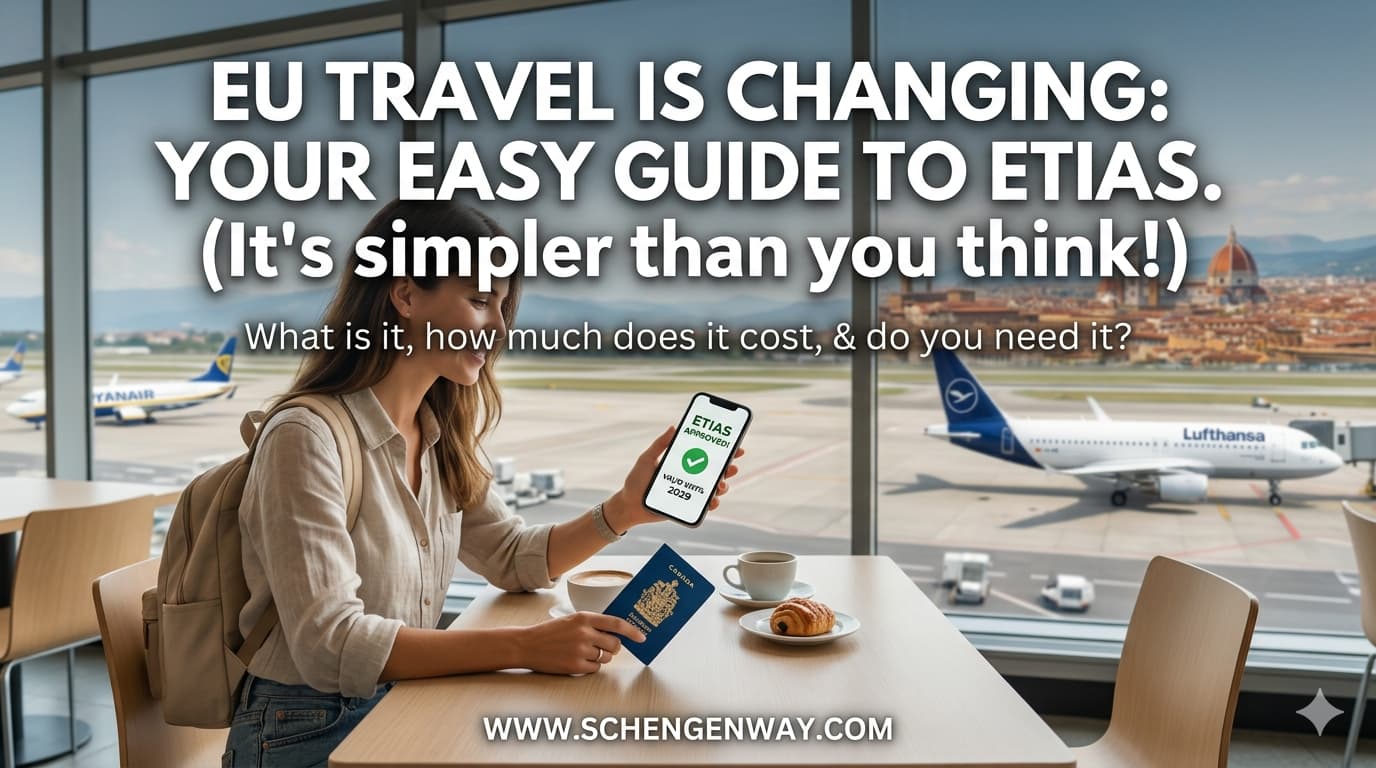
If you’ve been planning a trip to Europe recently, you’ve probably come across the word ETIAS and thought, “Wait… is this a visa? Do I need it now? Is this going to complicate my travel plans?”
You’re not alone. A lot of travelers—especially those used to entering Europe without a visa—are a bit confused about what ETIAS really is and when it starts affecting them.
Think of ETIAS as Europe tightening its entry process slightly—not to make travel harder, but to know who is coming in before they arrive. It’s similar to what countries like the U.S. have already been doing for years.
So, instead of guessing or relying on half information online, let me break it down for you clearly—just like I would if you were sitting across from me asking these questions one by one.
What is ETIAS?
First things first, ETIAS stands for the European Travel Information and Authorisation System. I know, it’s a mouthful. In plain English, it’s an electronic security check for travelers who currently don’t need a visa to enter Europe.
If you’re from a country like the US, Canada, or Australia, you’ve been able to just show up at the border with your passport for years. ETIAS is the EU’s way of modernizing that. It’s a digital system that screens travelers before they even board their flight. It’s very similar to the ESTA system used by the United States or the eTA in Canada. It isn’t a visa—it’s a travel authorization designed to keep things secure and, hopefully, make border crossings a bit faster once you actually land.
Who will need ETIAS approval?
This is the big question. Basically, if you are a citizen of a visa-exempt country (one of the 60+ countries that currently don’t need a visa for short stays in Europe), you will need ETIAS. This includes travelers from the United Kingdom, United States, Canada, Australia, Japan, and many others.
It’s important to remember that this applies to everyone, regardless of age. Whether you’re traveling for a summer holiday, a quick business meeting, or even just transiting through a European airport on your way somewhere else, you’ll need this approval tied to your passport. If you already need a Schengen Visa (like travelers from Nigeria or India), ETIAS doesn’t apply to you—you’ll keep using the traditional visa process.
What date does ETIAS start?
This has been a moving target for a while, but as of right now, the official word from the European Union is that ETIAS is slated to launch in the last quarter of 2026.
We’ve seen several delays because the EU is first rolling out a separate system called the Entry/Exit System (EES), which is expected to go live in late 2025. Once that’s running smoothly, ETIAS will follow. So, if you have a trip planned for this summer or even early 2026, you can breathe a sigh of relief—you don’t have to worry about this just yet.
Do I need an ETIAS to travel to Schengen countries?
The short answer is: Yes, eventually. Once the system is fully operational in late 2026, an ETIAS will be a mandatory requirement for entering any of the 30 European countries involved.
This includes all the heavy hitters in the Schengen Area—like France, Italy, Spain, and Germany—as well as countries like Bulgaria, Romania, and Cyprus. Even though those last three aren’t fully in the “border-free” zone yet, they are still part of the ETIAS requirement. If you’re heading to Europe for tourism or business for less than 90 days, this is going to be your new travel essential.
Can I travel to Europe without ETIAS now?
Absolutely. Since we are currently in early 2026 and the system isn’t live, you can continue traveling exactly how you always have. If your passport allows you visa-free entry, just pack your bags and go.
Even when the system first launches in late 2026, the EU has promised a transitional period followed by a grace period. This means for the first 6 to 12 months, they won’t be turning people away at the border just because they haven’t heard of ETIAS yet. However, I always tell my readers: once it’s available, just get it. It saves the headache of being the person held up at the boarding gate.
Meanwhile, you can check out>> the documents border officers ask for at the first port of entry
How much does the ETIAS approval application process cost?
Well, there’s a good news regarding this—it won’t break the bank. The official fee for an ETIAS application is €7.
There’s a nice little bonus for families, too: if you are under 18 or over 70 years old, the application is completely free. You still have to apply and get the authorization, but you won’t have to pay the fee. For everyone else (ages 18 to 70), you’ll just pay the 7 Euros online via credit or debit card when you submit your form. Compared to the cost of a full visa, it’s a drop in the bucket.
What documents are needed for ETIAS?
One of the best things about ETIAS is that it isn’t a “bring a folder full of bank statements” situation. For most of you, the only physical document you’ll need is a valid biometric passport.
When I say “biometric,” I mean the ones with the little chip symbol on the front cover. Your passport needs to be valid for at least three months beyond the date you plan to leave Europe. If it’s expiring sooner than that, renew it first, because the ETIAS is digitally locked to that specific passport number. Aside from that, you’ll just need a way to pay the fee (a credit or debit card) and an email address where they can send your confirmation. You don’t need to show flight tickets or hotel bookings during the application, though they might ask which country you plan to visit first.
Also read>> Best Schengen Countries for Work Opportunities (2026 Guide)
When and how can I apply for ETIAS approval?
The entire process is handled online—there’s no need to visit an embassy or mail anything off. Once the system goes live in late 2026, you’ll go to the official EU ETIAS website or use their mobile app.
I always recommend applying as soon as you book your flights, or at least a few weeks before you head to the airport. The form itself takes about 10 to 20 minutes. You’ll answer some basic questions about your job, your education, and a few security-related questions (like past travel to conflict zones or any criminal history). It’s straightforward, but please, double-check your passport number. A single wrong digit can mean your approval won’t match your passport at the boarding gate.
Related article>> What is a Schengen Visa Flight Itinerary and How Do I Get One?
How long does it take to get ETIAS?
For about 95% of travelers, the “wait” is almost non-existent. The system is automated, so most people get an email with their approval within minutes.
However, if the system flags something that requires a human to take a look, it can take about four days. In very rare cases—if they need to ask you for more documents or an interview—it could stretch up to 30 days. This is why I tell everyone not to leave it until the morning of your flight. Give yourself a buffer of at least a week just to be safe.
How long will my ETIAS approval be valid for?
Once you have it, you’re set for a while. An ETIAS is valid for three years, or until your passport expires—whichever comes first.
During those three years, you can go back and forth to Europe as many times as you like without reapplying, as long as you respect the 90-day stay limit. If you get a brand new passport because your old one filled up or expired, you must apply for a new ETIAS. It doesn’t “transfer” to the new book.
Check out How To Renew Schengen Visa Before Expiry
Can I do ETIAS at the airport?
This is a big “No.” You cannot apply for ETIAS at the check-in desk or at the border in Europe.
Airlines are required to check that you have a valid ETIAS before they even let you board the plane. If you show up at the airport without it once the system is mandatory, the airline will likely deny you boarding. It’s a digital requirement that must be sorted out before you leave for the airport.
What is the difference between ETIAS and a Schengen visa?
People use these terms interchangeably, but they are completely different terms. A Schengen Visa is for citizens of countries that do not have a visa-waiver agreement with the EU (like Nigeria or China). It involves interviews, lots of paperwork, and a much higher fee.
ETIAS, on the other hand, is only for “visa-free” travelers. It’s a pre-travel screening, not a visa. If you already have a valid Schengen Visa, you don’t need an ETIAS. If you’re from a country that currently doesn’t need a visa, you won’t suddenly start needing one—you’ll just need this electronic ETIAS “hall pass” instead.
A bit of professional advice
Do you want my biggest piece of advice? Don’t let the news cycles stress you out. For most of you, this will be a 10-minute task you do once every three years. The “90/180 day rule” for staying in Europe is actually much more likely to trip you up than the ETIAS application itself.
If you aren’t sure how much time you have left for your next trip, or if you’re planning a multi-country tour, definitely check out our 90/180 day rule calculator. It’s the easiest way to make sure you aren’t overstaying without realizing it. Safe travels!