
How to Track your Schengen Visa Application
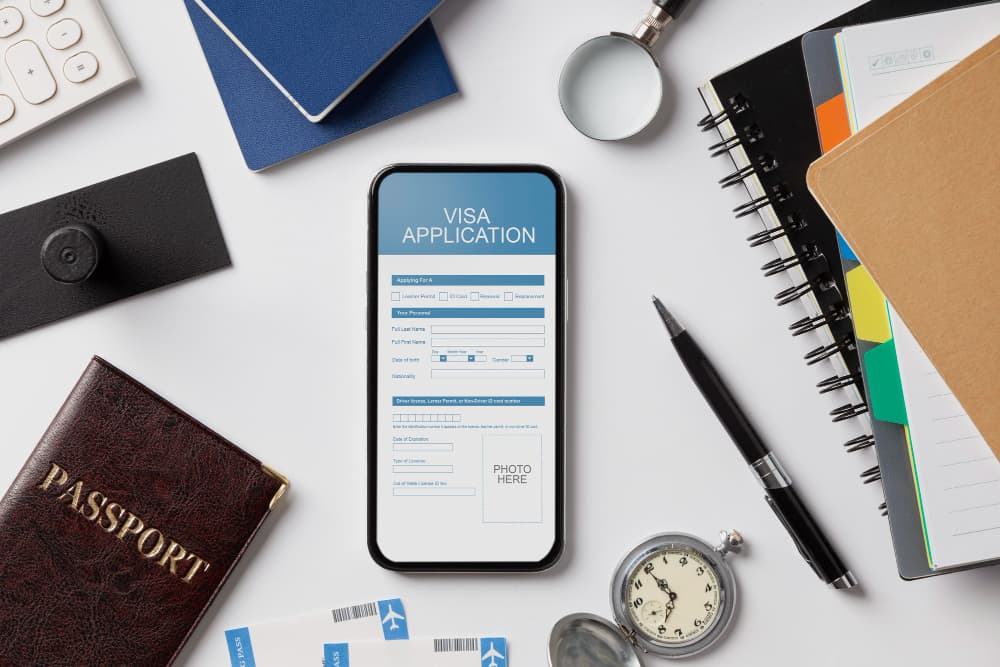
You know that moment.
You walk out of the visa centre or embassy, documents finally off your chest, passport handed over, receipt safely tucked into your bag. For a brief second, there’s relief. Then it hits you.
Now what?
Now you wait.
And waiting—especially for a Schengen Visa Application—has a special way of messing with your head. Every unknown number feels suspicious. Every email notification makes your heart jump. Granted or denied? Summer trip confirmed or cancelled? That’s exactly why my readers keep asking me the same thing in my inbox:
“How do I track my Schengen Visa Application without losing my mind?”
The question sounds funny, but let’s walk through it calmly, step by step, the same way I explain it in person. No buzzwords. No embassy drama. Just how it really works.
First, Understand Who’s Actually Handling Your Schengen Visa Application
This is where most applicants get confused, and honestly, I don’t blame them. You submit your documents at one place, but decisions are made somewhere else entirely.
Depending on the country you applied to and where you live, your Schengen Visa Application was submitted in one of three places:
- a visa centre,
- an embassy,
- or a consulate.
They don’t all do the same job. Knowing who does what will save you a lot of unnecessary panic later.
Visa Centres: The Middlemen (Not the Judges)
If you applied through a visa centre, it was likely one of the big names like VFS Global, TLSContact, or Capago.
Think of these centres as professional organisers. Their role is operational, not political, and definitely not emotional.
Here’s what they actually do:
They welcome you, guide you through the appointment, collect your documents, take your fingerprints and photo, collect fees, and forward your file. They also handle logistics like tracking updates and returning your passport.
What they do not do is just as important:
They do not examine your file.
They do not decide whether your visa is approved or refused.
I always tell my readers this clearly:
No matter how polite, strict, or friendly the staff at the visa centre are, they have zero power over the final outcome.
The Real Decision-Makers: Embassies and Consulates
Behind the scenes, the real work happens at the consular services of the Schengen country you’re applying to.
Sometimes you submit directly at the embassy or consulate. Other times, your file gets there after passing through a visa centre. Either way, the end destination is the same.
The consular officers are the ones who:
- examine your Schengen Visa Application,
- assess your documents,
- and decide whether you get a visa or not.
Once your passport leaves the visa centre and reaches the embassy, that’s where patience truly becomes part of the process.
What Happens After You Submit Your Schengen Visa Application?
This is the stage most applicants imagine incorrectly. Many people think the officer opens the file and immediately decides yes or no. That’s not how it works.
Once your application reaches the consulate, the first thing they do is basic verification.
They check whether:
- Your application file is complete
- Your passport is genuine and valid
- Your biometric data was correctly collected
- Your visa fee has been paid
- Your travel insurance meets Schengen requirements
If any of these basics are missing or incorrect, the application doesn’t even get examined properly. It’s declared inadmissible and refused without going deeper. This is why small mistakes can have big consequences.
If everything checks out, then the real examination begins.
You can also check out >> Schengen Visa Application Step-by-Step Guide
How Consulates Actually Examine a Schengen Visa Application
At this stage, the officer isn’t guessing. They’re verifying patterns, consistency, and intent.
They look closely at:
- Why you say you’re travelling and whether that reason makes sense
- Your accommodation plans and whether they match your travel dates
- Your financial situation and whether you can realistically support yourself
- Your travel insurance coverage
- Your intention to leave the Schengen area after your trip
They also run your details through European databases like VIS and SIS to confirm:
- You’re respecting the 90/180-day rule
- There’s no entry ban or alert against your name
- You’re not considered a security, public order, or health risk
Sometimes, especially for applicants from certain countries, there’s an additional step called “prior consultation.” That means other Schengen countries are asked if they have objections to your entry. This takes time and is completely outside your control.
And yes—Nigeria is on that list. So delays don’t always mean bad news. Sometimes it just means bureaucracy doing what bureaucracy does best.
At this point, your application is officially “under processing.”
This is where tracking your Schengen Visa Application becomes important—and where most people start checking their status ten times a day.
As you continue to read, I’ll walk you through exactly how to track your Schengen Visa Application, depending on where you applied—embassy, VFS, TLSContact, Capago, or iDATA—and what those status messages actually mean in real life.
How Do You Actually Track Your Schengen Visa Application?
This is the part where most people start refreshing pages like they’re waiting for concert tickets to drop. Before we get into the “how,” let me reset expectations gently.
Tracking your Schengen Visa Application does not mean watching an officer review your file in real time. You’re not seeing thoughts, comments, or decisions being typed out. What you’re really tracking is where your passport is in the process and whether a decision has been made yet.
Your main point of contact is always where you submitted your application. Not where the decision is made—where you physically handed over your passport.
That detail matters more than people realise.
Tracking a Schengen Visa Application Submitted at an Embassy or Consulate
If you submitted directly at an embassy or consulate, tracking can be… limited. Some countries run centralised systems, others don’t. In many cases, the embassy itself is the only place that can tell you anything.
For example, France runs applications through a central online platform called France-Visas. When my readers apply for France, I always tell them to keep every email and receipt from day one, because that’s where their tracking details live.
In other cases, the embassy doesn’t offer a live tracking portal at all. Instead, you’re given:
- a receipt,
- a reference number,
- and instructions on how you’ll be contacted when a decision is made.
If there’s no online tracker, that’s not a mistake. That’s just how that particular Schengen country operates.
And no—you can’t speed things up by calling. We’ll talk about that later.
Tracking Your Schengen Visa Application Through a Visa Centre
If you applied through a visa centre, tracking is usually much more straightforward. Most visa centres offer an online tracking page where you can see updates like:
- “Application received”
- “Under process at the embassy”
- “Passport ready for collection”
Let me walk you through the common ones readers ask about most often.
How to Track Your Application with Capago
If Capago handled your application, the process is simple but very specific.
You go to their website, select your country of residence, and access the tracking section. You’ll log in using:
- your Capago reference number,
- and the email address you used during registration.
Once logged in, you’ll see your application status under “My Applications.”
If you don’t see updates immediately, don’t panic. Capago updates the status when there’s movement—not every day.
How to Track Your Application with TLSContact
TLSContact works in a similar way but requires you to log in to the website using the account you created during appointment booking.
Once inside your dashboard, you’ll find the tracking information under “My Applications.” That’s where you’ll see whether your passport is still at the embassy or ready for collection.
A quick real-life note from experience:
TLSContact updates are sometimes delayed by a day or two. That delay doesn’t mean a refusal. It usually just means the passport hasn’t physically arrived back at the centre yet.
How to Track Your Application with VFS Global
VFS Global has one of the more widely used tracking systems, and many Schengen countries rely on it.
You’ll need login to the tracking portal with:
- your application reference number,
- and your last name.
Once entered, the page will show the current status below the login section.
One small but important thing people miss:
If your browser blocks pop-ups, the tracking page may not load properly. Allow pop-ups before assuming the system is “down.”
Tracking Applications Submitted via iDATA
If you submitted your Schengen Visa Application through iDATA, especially for Germany in places like Türkiye, tracking is also done online.
You’ll be asked to enter:
- your passport number,
- and the barcode number on your submission receipt.
Once entered correctly, you’ll see whether your file is still under review or your passport is ready.
What Information Do You Need to Track Your Schengen Visa Application?
This is where organisation pays off.
Depending on the system, you may be asked for:
- your full name and date of birth,
- your visa application reference number,
- your passport number,
- your email address or phone number,
- your country of residence or destination.
If you’re missing your reference number, tracking becomes difficult. That number is your key. Which brings us to an important question readers often ask me.
Where Do You Find Your Schengen Visa Application Reference Number?
It’s on the receipt you were given on submission day.
That receipt isn’t just proof of payment—it’s your tracking lifeline. It contains:
- your unique application reference number,
- instructions on how to check your status,
- and sometimes collection guidelines.
Lose that receipt, and things get unnecessarily stressful.
Can You Get Updates by Phone or Email?
This one disappoints a lot of people, so I’ll be blunt.
No—at least not detailed ones.
Embassies and visa centres do not give application status updates over the phone or by random email requests. This isn’t them being difficult. It’s about data protection.
They can’t verify who’s calling, so they don’t share sensitive information that way.
Information is only given:
- to the applicant in person,
- to someone with written authorisation,
- or to legal guardians for minors.
If you receive a call, SMS, or email, it’s usually to tell you your passport is ready for collection—not whether the visa was approved or refused.
And that distinction matters.
How Long Does It Really Take to Process a Schengen Visa Application?
This is usually the first thing my readers ask me after submission, not before. And I get it. Once your passport is out of your hands, time suddenly moves slower.
For a standard short-stay Schengen Visa Application (Type C), the official processing time is up to 15 calendar days. That’s the baseline. In real life, that timeline stretches more often than people expect.
Under the Schengen Visa Code, embassies are legally allowed to take up to 45 days to process an application. This happens more frequently during busy travel seasons—summer holidays, Christmas, Easter, and anytime flights are cheap and borders feel tempting.
One important detail many people miss:
The clock starts the day you submit your complete application, not the day you booked your appointment and not the day your biometrics were taken if documents were missing.
If the embassy asks for additional documents later, processing can pause and restart. That’s not a delay—it’s procedure.
You can also check out>> How to Get No Objection Certificate for Schengen Visa Application
Why Your Tracking Status Doesn’t Change for Days (or Weeks)
Let me be honest with you the way I am in my office.
Most of the time, nothing dramatic is happening.
Your tracking page staying on “Under process” doesn’t mean your application is stuck. It usually means:
- your file is in a queue,
- it’s waiting for review,
- or it’s undergoing routine background checks.
Tracking systems are not updated every time someone touches your file. They update when your passport physically moves—from visa centre to embassy, and back again.
Silence is uncomfortable, but it’s normal.
Who Actually Decides on Your Schengen Visa Application?
This is another area where myths float around.
Your visa is always decided by the consular services of a Schengen country. Not the visa centre. Not the security guard at the gate. Not the person who took your fingerprints.
In most cases, the country that decides is:
- the country you’re visiting,
- or the country where you’ll spend the most time.
If that country doesn’t have an embassy or consulate in your location, another Schengen country may process applications on its behalf. That doesn’t disadvantage you in any way.
A Schengen visa is uniform. Same rights. Same rules. Same conditions—regardless of which country’s embassy examined your file.
How You’ll Be Informed of the Decision
This part surprises people every time.
You are never told the result of your Schengen Visa Application online.
You are never told over the phone.
Instead, once a decision is made, you’ll receive a message—by SMS, email, or sometimes a call—telling you that your passport is ready for collection.
That’s it.
No hints. No clues. No emojis.
The outcome is revealed only when you physically collect your passport (or receive it by courier, if you paid for delivery).
If your visa is approved, you’ll see a visa sticker inside your passport.
If it’s refused, you’ll find a refusal letter explaining why and what your next steps are.
The moment before opening that passport? Everyone holds their breath. Even frequent travellers.
If Your Schengen Visa Is Granted: Don’t Rush Off Just Yet
I always tell my readers: celebrate—but inspect first.
Before you leave the counter or close that courier envelope, check:
- your name spelling,
- passport number,
- visa type,
- validity dates,
- number of entries.
Mistakes happen. Rarely—but they happen. And if you travel with incorrect visa details, border officers can deny entry even with a valid visa sticker.
If you spot an error, report it immediately. Fixes are much easier before you travel.
Also, keep copies of all documents you submitted with your Schengen Visa Application. Border officers can legally ask to see them when you arrive.
A visa allows you to present yourself at the border. Entry is still at the discretion of the officer on duty.
If Your Schengen Visa Application Is Refused
This part is never fun, but it’s not the end of the road.
If the refusal was due to:
- missing documents,
- inconsistencies,
- unclear travel purpose,
- weak financial proof,
you can submit a new application, correcting those issues properly.
If the visa refusal is based on deeper concerns, the refusal letter will explain how to appeal or request a re-examination.
The key is not to reapply emotionally or immediately without fixing the actual problem. That’s how refusals repeat themselves.
Alright, let’s close this out properly—the same way I would if you were standing up, ready to leave my office, but still thinking about that passport sitting somewhere behind embassy walls.
What to Do While You’re Tracking Your Schengen Visa Application (Without Making It Worse)
This is the part no one really talks about, but it matters.
Once your Schengen Visa Application is submitted and under processing, there is very little you can actively do to influence the outcome. Trying to force control where none exists is how people burn energy and panic unnecessarily.
What you can do is avoid the mistakes that quietly complicate things.
Don’t submit multiple enquiries.
Don’t email embassies asking for updates unless they specifically request something from you.
Don’t compare your timeline with a friend’s and assume something is wrong.
Every application moves at its own pace, even when submitted on the same day.
If Processing Feels Slow, Here’s What’s Usually Happening
Long processing times don’t automatically signal trouble. More often than not, delays are caused by:
- seasonal backlogs,
- prior consultation with other Schengen states,
- internal security checks,
- or sheer volume.
None of these show up clearly in tracking systems. All you see is “under process,” and that’s frustrating—but it’s normal.
Tracking your Schengen Visa Application is about monitoring movement, not interpreting meaning.
Small Habits That Actually Help (Even After Submission)
Even though your documents are already in, there are a few things I always recommend clients do while waiting:
Keep your phone number active and reachable.
Check your email inbox and spam folder regularly.
Be available for passport collection once notified.
If the embassy requests additional documents and you delay responding, processing slows down further. At that point, the delay becomes avoidable—and unnecessary.
If You’re Approved, Travel Like Someone Who Understands the Rules
A Schengen visa is not a free pass. It’s permission to request entry.
When you travel, always carry:
- copies of your hotel bookings,
- proof of funds,
- return flight details,
- travel insurance documents.
Border officers don’t care that an embassy already approved your visa. Their job is to assess your situation at the point of entry.
Most issues at borders happen because travellers assume the visa sticker is the final authority. It isn’t.
If You’re Refused, Don’t Turn It Into a Personal Verdict
This is important, and I say it often.
A refusal is not a judgement of your character, your worth, or your future chances. It’s an assessment of documents and risk at a specific moment in time.
If you’re refused:
Read the refusal letter carefully—every word.
Identify what was missing or unclear.
Fix the root problem before reapplying or appealing.
Reapplying with the same weaknesses almost guarantees the same result.
One Last Honest Thought Before You Go
Tracking a Schengen Visa Application is really about learning to sit with uncertainty. The systems are limited. The updates are sparse. The outcome is revealed only at the very end.
And that’s frustrating—especially when travel plans, money, and emotions are involved.
But understanding how the process works—who decides, what tracking really shows, and what silence actually means—puts you in a calmer position than most applicants.
At SchengenWay, that’s always my goal with my readers: not to promise outcomes, but to remove confusion.
You’ve done your part.
The file is where it needs to be.
Now the only thing left is time—and a bit of patience.
When you’re ready to talk about your next Schengen Visa
Application, or how to improve one that didn’t go your way, that’s a conversation worth having.